

SNOWBOARD SIZE & FIT GUIDE
Snowboard sizing depends primarily on weight, but height, boot size, ability, board width, riding style, and terrain also matter. Use this guide to find a starting board length and width, then adjust based on how you actually ride.
What is Snowboard Width?
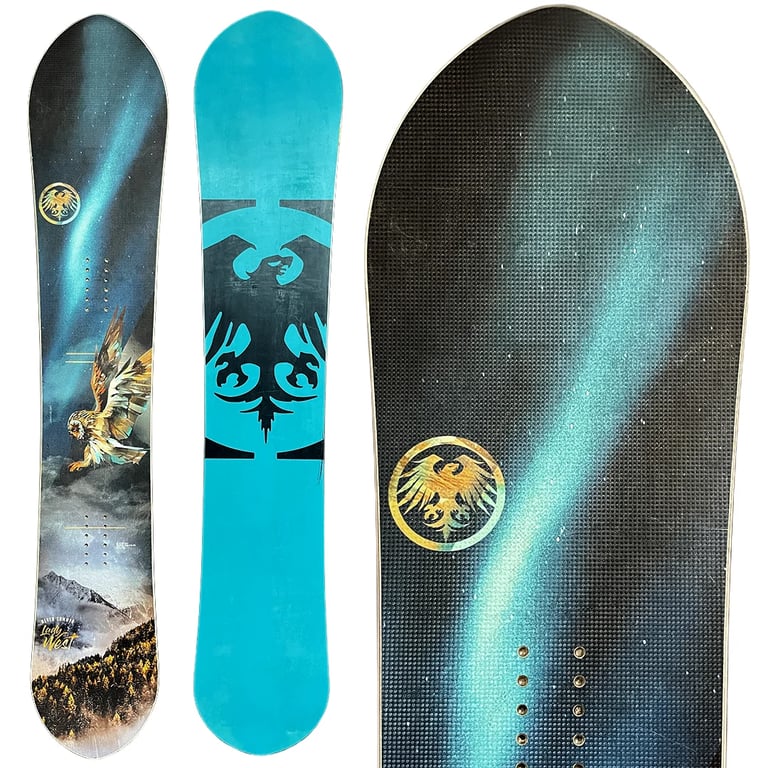
Snowboard width refers to how wide the board is across the waist, or its narrowest point. The right width helps keep your boots properly positioned over the edges of the board so you can turn effectively without excessive toe or heel overhang.
Your boot size is the biggest factor when choosing snowboard width. A board that is too narrow can allow your toes or heels to extend too far over the edges and contact the snow during turns. A board that is unnecessarily wide can feel slower and require more effort to transition from edge to edge.
The goal is to choose a board wide enough for your boots while still allowing you to comfortably and efficiently move from one edge to the other.
Wide snowboards are generally designed for riders with larger boots, often beginning around a men's US size 11. The additional width helps reduce excessive toe and heel overhang and provides better clearance during deeper turns.
How to Find my snowboard size
Snowboard Size Chart
Use this chart as a starting point for choosing snowboard length. Rider weight is one of the most important sizing factors, but height, ability level, riding style, and the individual board should also be considered.
Swipe to see all sizes →
| Rider Height | Rider Weight | Suggested Board Length |
|---|---|---|
| 4'10" | 100–120 lbs | 132–148 cm |
| 5'0" | 110–130 lbs | 138–152 cm |
| 5'2" | 120–140 lbs | 140–155 cm |
| 5'4" | 130–150 lbs | 142–158 cm |
| 5'6" | 140–160 lbs | 145–160 cm |
| 5'8" | 150–170 lbs | 148–162 cm |
| 5'10" | 160–185 lbs | 150–162 cm |
| 6'0" | 170–195 lbs | 152–164 cm |
| 6'2" | 180–210 lbs | 155–166 cm |
| 6'4"+ | 190+ lbs | 158+ cm |

What Does Board Flex Mean?
Snowboard flex describes how easily a snowboard bends and twists under your weight and movement. It affects how responsive, stable, playful, and forgiving the board feels while you ride.
Most snowboard flex ratings use a 1–10 scale, with lower numbers representing a softer, more flexible board and higher numbers representing a stiffer, more responsive board.
Softer boards are generally easier to flex and maneuver, making them popular with beginners and freestyle riders. Medium-flex boards offer a balance of forgiveness and stability for versatile all-mountain riding. Stiffer boards provide more support and stability at higher speeds and are often preferred by aggressive or freeride-focused riders.
Flex ratings are not standardized between manufacturers, so use the number as a general comparison rather than an exact measurement of stiffness.
How to Choose Your Flex
There isn't one perfect snowboard flex for every rider. Your ability level is a helpful starting point, but your weight, riding style, terrain, and personal preference all affect how a snowboard will feel under your feet.
Consider these four factors when choosing your flex
Ready to start your snowboard search?
Shop Snowboards Today
FAQ section
What size snowboard do I need?
Snowboard size depends primarily on your weight, but height, boot size, ability level, riding style, and the specific board also matter. Start with the manufacturer’s recommended weight range when available, then adjust based on how you ride and the type of feel you want.
Is snowboard sizing based on height or weight?
Weight is generally more important than height because it affects how the snowboard flexes and performs under you. Height can still be useful as a secondary reference, but it should not be the only factor used to choose a board.
Should beginners use a shorter snowboard?
Beginners often benefit from a slightly shorter board because it can feel easier to turn and maneuver at lower speeds. However, the board should still fall within an appropriate range for the rider’s weight. Going too short can make the board feel unstable or overly soft.
Does boot size affect snowboard size?
Yes. Boot size affects the width of snowboard you need. Riders with larger boots may need a mid-wide or wide board to prevent excessive toe and heel overhang. Board width should be considered separately from board length.
Do I need a wide snowboard?
You may need a wide snowboard if your boots extend too far over the edges of a standard-width board. Riders with men’s US boot sizes around 11 and larger are more likely to need a wide board, but this is only a starting point. Boot footprint, bindings, stance angles, and the actual waist width of the snowboard all matter.
What snowboard flex should I choose?
Choose flex based on your ability, weight, riding style, terrain, and personal preference. Softer boards are generally more forgiving and playful, medium-flex boards are versatile for all-mountain riding, and stiffer boards provide more support and stability for aggressive or higher-speed riding.
Is a softer snowboard better for beginners?
Often, yes. Softer snowboards are generally easier to flex and maneuver, which can make learning turns and basic board control more comfortable. That said, the rider’s weight still matters, because a board that is too soft for the rider may feel unstable.
How much toe and heel overhang is okay?
A small amount of toe and heel overhang is normal and can help provide leverage over the board’s edges. Too much overhang can allow your boots to contact the snow during deeper turns, while too little may mean the board is wider than necessary and slower to move from edge to edge.
What size snowboard should I get for all-mountain riding?
For all-mountain riding, start with the board manufacturer’s recommended weight range and choose a length near the middle of that range. A medium-flex board in an appropriate width is a common all-mountain choice because it balances maneuverability, stability, and versatility across different terrain.
Do snowboards come with bindings?
Some snowboards are sold with bindings and others are sold without them. Each product listing should specify what is included. If bindings are included, make sure they are compatible with the board’s mounting system and appropriately sized for your snowboard boots.
Is a stiffer snowboard better for advanced riders?
Not automatically. Stiffer boards can offer greater support, response, and stability, which many aggressive or freeride-focused riders prefer. However, some advanced riders still choose softer boards for freestyle, park riding, or a more playful feel.